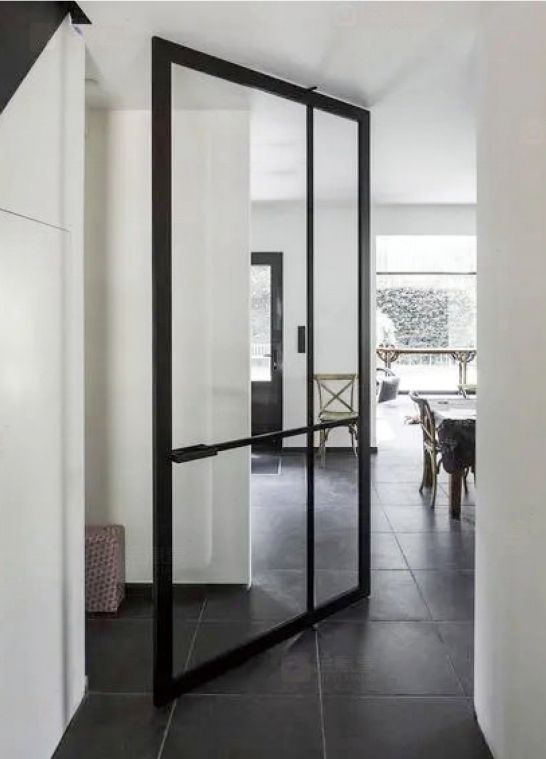
Pivot doors have emerged as a stunning architectural feature in contemporary homes and commercial spaces, offering a blend of aesthetic appeal, functionality, and innovation. Unlike traditional hinged doors that swing on side-mounted hinges, pivot doors rotate on a central axis, creating a dramatic and seamless entryway. This guide explores the numerous benefits of pivot doors, from their design versatility to their practical advantages, helping you understand why they are becoming a preferred choice for architects, designers, and homeowners alike.
**1. Aesthetic Appeal and Design Versatility**
One of the most significant benefits of pivot doors is their striking visual impact. Their unique swinging motion and often oversized dimensions make them a focal point in any space. Pivot doors can be customized in various materials, including wood, glass, metal, or composite materials, allowing for endless design possibilities. Whether you prefer a minimalist, modern look with sleek glass panels or a rustic charm with reclaimed wood, pivot doors can be tailored to match any architectural style. Their clean lines and absence of visible hinges contribute to a seamless and elegant appearance, enhancing the overall aesthetic of both interiors and exteriors.
**2. Enhanced Durability and Structural Integrity**
Pivot doors are known for their robust construction. The pivot mechanism distributes weight evenly across the door, reducing stress on the frame and hinges compared to traditional doors. This makes them ideal for large, heavy doors that might otherwise sag or warp over time. High-quality pivot hardware, often made from stainless steel or brass, ensures smooth operation and longevity, even with frequent use. This durability is particularly beneficial in high-traffic areas or commercial settings, where doors must withstand constant opening and closing without compromising performance.
**3. Improved Functionality and Ease of Use**
Despite their size, pivot doors are surprisingly easy to operate. The central pivot point allows for a smooth, effortless swing with minimal force, making them accessible for people of all ages and abilities. Many pivot door systems include features like soft-close mechanisms, which prevent slamming and reduce wear and tear. Additionally, pivot doors can be designed to open in both directions, providing flexibility in space planning and improving airflow and accessibility in rooms. This functionality is especially useful in areas like patios, where seamless indoor-outdoor transitions are desired.
**4. Space Optimization and Architectural Flexibility**
Pivot doors offer unique advantages in terms of space utilization. Because they rotate around a central axis, they require less clearance than traditional swinging doors, which need space to arc open. This makes pivot doors an excellent choice for tight or awkward spaces where every inch counts. They can also be installed as single or double doors, and their ability to swing 180 degrees or more allows for creative architectural layouts. For example, pivot doors can be used to create grand entrances, partition large rooms, or integrate with sliding or folding door systems for versatile living areas.
**5. Energy Efficiency and Insulation**
Modern pivot doors are designed with energy efficiency in mind. When properly sealed, they provide excellent insulation, reducing heat loss in winter and heat gain in summer. This can lead to lower energy bills and a more comfortable indoor environment. Materials like insulated glass or thermally broken aluminum frames enhance this benefit, making pivot doors a sustainable choice for eco-conscious projects. Additionally, their tight seals help minimize drafts and noise infiltration, contributing to a quieter and more energy-efficient home or building.
**6. Increased Property Value and Curb Appeal**
Installing pivot doors can significantly boost the value and appeal of a property. Their luxurious and modern appearance often makes a strong first impression, increasing curb appeal and setting a high-end tone for the entire structure. Potential buyers or tenants are likely to view pivot doors as a premium feature, which can justify a higher asking price or rental rate. In commercial settings, such as offices or retail spaces, pivot doors can enhance brand image by conveying sophistication and attention to detail, attracting more clients and customers.
**7. Customization and Personalization Options**
Pivot doors offer unparalleled customization opportunities. From size and shape to finishes and hardware, every aspect can be tailored to meet specific design requirements. Homeowners and designers can choose from a wide range of colors, textures, and patterns to create a unique statement piece. For instance, pivot doors can incorporate decorative elements like etched glass, custom handles, or integrated lighting. This level of personalization ensures that the door not only functions well but also reflects the individual style and personality of the space it occupies.
**8. Low Maintenance and Long-Term Savings**
Thanks to their durable construction and high-quality materials, pivot doors require minimal maintenance. The pivot mechanism is designed to withstand heavy use without frequent adjustments or repairs, unlike traditional hinges that may loosen over time. Regular cleaning and occasional lubrication of the pivot points are usually sufficient to keep the door operating smoothly. This low maintenance requirement translates to long-term cost savings, as there is less need for replacements or professional servicing. Additionally, the energy efficiency of pivot doors can reduce utility expenses over time, further enhancing their economic benefits.
**9. Safety and Security Features**
Pivot doors can be equipped with advanced safety and security features to protect your home or business. Many models include multi-point locking systems, which provide enhanced security compared to standard single-point locks. The sturdy construction of pivot doors also makes them more resistant to forced entry. For added safety, options like tempered or laminated glass can be used to prevent breakage and injury. In commercial applications, pivot doors can integrate with access control systems, such as keypads or card readers, for controlled entry and improved security management.
**10. Environmental Sustainability**
As sustainability becomes a priority in construction and design, pivot doors offer eco-friendly benefits. Many manufacturers use sustainable materials, such as FSC-certified wood or recycled metals, reducing environmental impact. The energy-efficient properties of pivot doors also contribute to lower carbon footprints by decreasing reliance on heating and cooling systems. Furthermore, their durability means they have a longer lifespan than many traditional doors, reducing waste and the need for frequent replacements. By choosing pivot doors, you can support green building practices and create a more sustainable living or working environment.
**Conclusion**
Pivot doors represent a fusion of art and engineering, offering a multitude of benefits that extend beyond mere functionality. From their breathtaking aesthetic appeal and customization options to their durability, energy efficiency, and space-saving design, pivot doors are transforming modern architecture. Whether you are planning a new build, renovating an existing space, or simply seeking to elevate your property’s value, pivot doors provide a sophisticated and practical solution. By understanding these benefits, you can make an informed decision and embrace the pivot door revolution in your next project. Explore the possibilities and discover how pivot doors can enhance your space with style, efficiency, and innovation.
Request a Quote
Custom luxury entry solutions.