
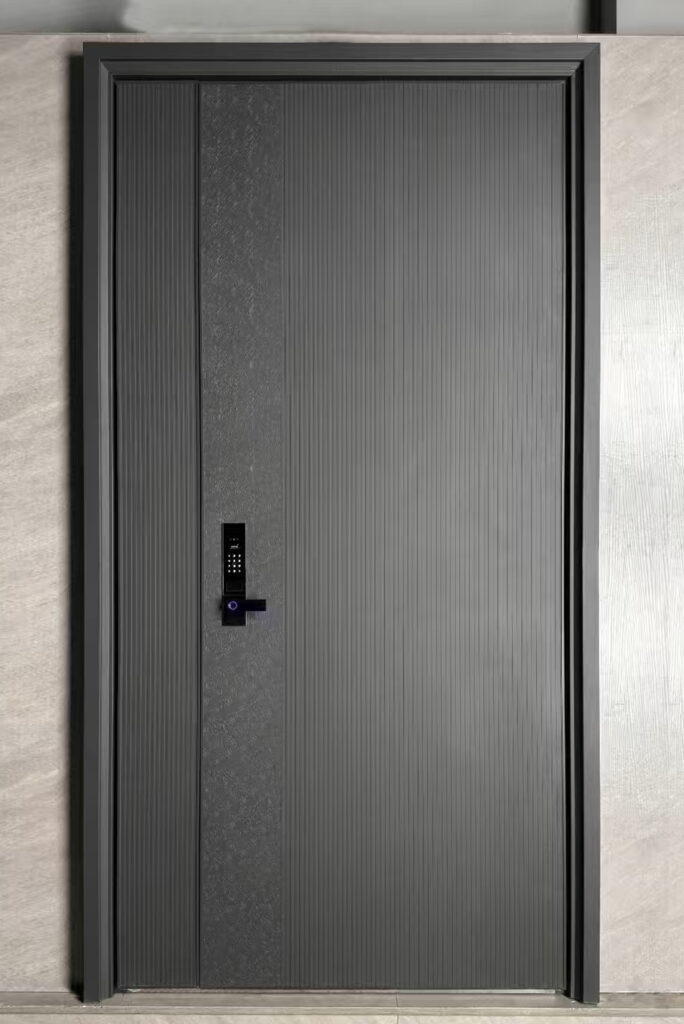
Architectural Analysis: Modern Pivot Doors in Miami, FL
A Synthesis of Material Innovation and Climatic Resilience
In the dynamic architectural landscape of Miami, Florida, the pivot door has transcended its functional role to become a definitive statement of luxury, modernity, and seamless indoor-outdoor living. More than just an entry point, these monumental doors are a focal point of design, framing the vibrant subtropical light and blurring the boundaries between interior sanctuary and exterior paradise. This analysis delves into the prevailing trends of modern pivot door design in Miami, with a specific focus on the ascendancy of 3.0mm aircraft-grade aluminum as the material of choice, evaluating its profound suitability for the region’s unique and demanding climate.
I. The Miami Pivot Door: Defining a Design Ethos
Miami’s architectural identity, a fusion of Art Deco heritage, International Style modernism, and contemporary tropical minimalism, demands elements that are both bold and refined. The modern pivot door fits this ethos perfectly. Unlike traditional hinged doors, pivot doors rotate on a vertical axis set within the frame, allowing for dramatically larger, heavier, and more sculptural single-leaf designs. This engineering enables the creation of vast, uninterrupted glass expanses that cater to the Miami ideal of transparency and connection to the environment—be it a waterfront vista, a lush courtyard, or an urban skyline.
Current trends in the city showcase a preference for clean, monolithic slabs, often in matte black, metallic bronze, or natural aluminum finishes. The hardware is minimized or fully concealed, contributing to a sleek, seamless appearance. The scale is heroic, frequently reaching ceiling heights of 10 feet or more, making the door itself a piece of kinetic architectural sculpture. This trend is not merely aesthetic; it is a direct response to the Floridian lifestyle, prioritizing light, ventilation, and a perpetual engagement with the outdoors.
II. The Material Paramount: 3.0mm Aircraft-Grade Aluminum
At the core of this trend’s success and durability is the specific use of 3.0mm thick aircraft-grade aluminum. This material selection is a calculated response to both engineering and environmental requirements.
A. Engineering Superiority
“Aircraft-grade” refers to alloys from the 6000 and 7000 series (such as 6061-T6), renowned for their exceptional strength-to-weight ratio. At 3.0mm thickness, the material provides remarkable structural rigidity. This is non-negotiable for large-span pivot doors, which must resist deflection, warping, and sagging over time under their own substantial weight—often compounded by heavy laminated or insulated glass panels. The inherent strength of the alloy allows for the slender, elegant profiles that define contemporary design, without the bulkiness of steel or the structural limitations of thinner, standard aluminum.
B. Fabrication and Aesthetic Flexibility
The malleability and precision with which aluminum can be extruded and machined allow for incredibly tight tolerances and crisp detailing. This is critical for the weather-tight seals required in Miami’s climate. Furthermore, aluminum accepts a vast array of durable finishes. For Miami homes, powder coatings in neutral tones (charcoal, slate grey, earth tones) are popular for their resistance to fading. Anodized finishes, which create a hard, integral oxide layer, offer a sleek metallic look with outstanding durability against salt and sun.
III. Climatic Suitability: A Fortress Against the Elements
Miami’s climate presents a triumvirate of challenges for any exterior building component: high humidity, salt air corrosion, and intense UV radiation. The performance of 3.0mm aircraft-grade aluminum in this environment is where its selection moves from trend to technical necessity.
Key Climate Challenges & Aluminum Responses:
- Salt Air & Corrosion: Aluminum naturally forms a protective oxide layer when exposed to air, providing inherent corrosion resistance. Aircraft-grade alloys and their specified finishes (particularly architectural-grade anodization) dramatically enhance this property. Unlike steel, which requires constant maintenance to prevent rust, aluminum pivot doors in coastal Miami environments maintain their integrity with minimal upkeep, resisting the pervasive salt spray that can rapidly degrade lesser materials.
- High Humidity & Thermal Movement: Miami’s humidity hovers near 70% year-round, promoting swelling, rotting, and mold in organic materials like wood. Aluminum is dimensionally stable; it does not absorb moisture, warp, or rot. The 3.0mm thickness ensures this stability is maintained across the large surface area of the door, preventing binding or operational failure in the pivot mechanism.
- Intense UV Radiation: The Florida sun is relentless. Modern powder coatings and anodized finishes applied to aluminum are specifically formulated for high UV resistance. They resist chalking, fading, and degradation far better than traditional paints or stains on wood or PVC, ensuring the door’s aesthetic remains intact for decades without yellowing or loss of color depth.
- Hurricane Resilience: While a door system’s hurricane rating involves the entire assembly (glass, frame, hardware, and installation), the structural backbone is the frame. The strength of 3.0mm aircraft-grade aluminum allows it to be engineered into systems that can meet stringent Miami-Dade County NOA (Notice of Acceptance) impact and pressure ratings. When paired with hurricane-rated glazing, these doors become not just views but vital components of the building’s protective envelope.
- Thermal Conductivity & Mitigation: Aluminum is a conductor of heat. In Miami’s heat, this necessitates thermal engineering. High-performance pivot door systems incorporate thermal breaks—a polyamide barrier inserted between the interior and exterior aluminum profiles—to prevent thermal transfer. This is crucial for energy efficiency, preventing condensation, and ensuring the interior frame remains comfortable to the touch.
IV. Synthesis and Future Trajectory
The convergence of Miami’s design aspirations and environmental realities finds an ideal solution in the 3.0mm aircraft-grade aluminum pivot door. It represents a mature architectural trend where form is inextricably linked to performance. The material enables the minimalist, expansive aesthetic that defines contemporary Miami luxury while providing a robust, low-maintenance answer to the climatic rigors of South Florida.
Looking forward, the trend is evolving toward even greater integration and intelligence. We see the incorporation of motorization and smart home integration, allowing these massive doors to operate with a touch or automated schedule. Advances in glass technology, such as electrochromic (smart glass) that tints on demand, are being paired with these aluminum frames to enhance privacy and energy efficiency further. The pivot door is also increasingly used in interior applications, separating master suites or living areas with the same dramatic effect, leveraging its material stability in humid interior environments like pools and spas.
Conclusion
The modern pivot door in Miami is more than an entryway; it is a symbol of architectural confidence. The strategic use of 3.0mm aircraft-grade aluminum is the unsung hero of this trend, providing the skeletal strength and environmental resilience that makes the breathtaking design possible. It is a material choice that respects the beauty of the Miami landscape while defiantly withstanding its challenges. As Miami’s architecture continues to push toward transparency and harmony with its sublime setting, the engineered precision and enduring nature of aircraft-grade aluminum pivot doors will undoubtedly remain a cornerstone of its design language, framing the Miami dream for generations to come.