
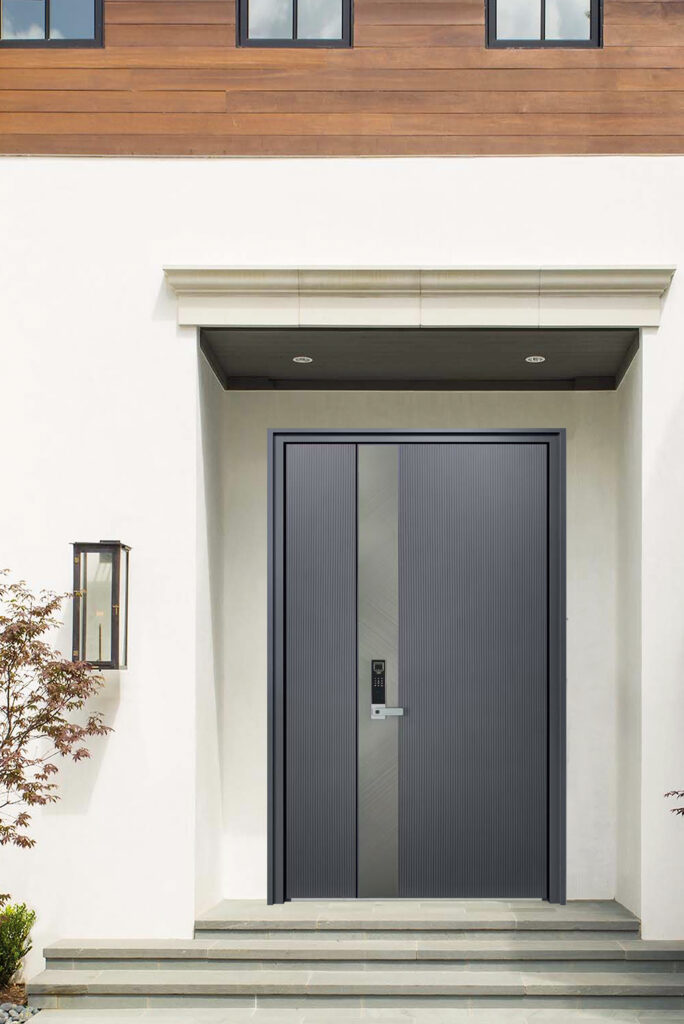
Engineering Weather-Sealed Pivot Systems: Hardware, 500kg+ Load Capacity, and Stability for Heavy-Duty Doors
As Chief Engineer at Kingston Doors, specializing in pivot door systems, I am often tasked with designing solutions that combine aesthetic appeal with robust performance under extreme conditions. Weather-sealed pivot systems represent a pinnacle of this engineering challenge, requiring meticulous attention to hardware selection, load management, and stability. In this technical blog, I will delve into the intricacies of these systems, focusing on components capable of handling loads exceeding 500kg while ensuring reliable weather resistance and structural integrity.
Understanding Weather-Sealed Pivot Systems
Weather-sealed pivot systems are engineered to provide a seamless barrier against environmental elements such as rain, wind, dust, and temperature fluctuations. Unlike traditional hinges, pivot systems rotate on a vertical axis, allowing for larger, heavier doors with minimal floor or header interference. The sealing aspect involves integrating gaskets, seals, and specialized hardware to prevent water ingress and air leakage, which is critical for applications in commercial, industrial, and high-end residential settings.
Hardware Components for Heavy-Duty Applications
The core of a weather-sealed pivot system lies in its hardware, which must withstand significant mechanical stresses. Key components include:
- Pivot Hinges: These are typically made from high-grade stainless steel or aluminum alloys to resist corrosion. For loads over 500kg, we use reinforced pivot points with ball bearings or roller mechanisms to reduce friction and wear. The design often incorporates adjustable tension settings to fine-tune door movement.
- Seals and Gaskets: Weather sealing is achieved through multi-layered EPDM (ethylene propylene diene monomer) or silicone gaskets, which are compression-fit into door frames and jambs. These materials offer excellent elasticity and durability, maintaining a tight seal even under thermal expansion or door deflection.
- Mounting Plates and Brackets: Heavy-duty steel or aluminum brackets distribute the load evenly across the door frame and structure. For 500kg+ systems, we engineer custom brackets with reinforced welds and anti-vibration features to prevent loosening over time.
- Thresholds and Sills: Integrated aluminum or stainless steel thresholds with built-in drainage channels help manage water runoff, while neoprene seals at the bottom edge complete the weather barrier.
Managing 500kg+ Load Capacity
Handling doors weighing over 500kg requires precise engineering to avoid structural failure or operational issues. Our approach involves:
- Load Distribution: The pivot points are strategically placed to balance the door’s weight, typically at the top and bottom. For extra-heavy doors, we may add intermediate pivots or use cantilevered designs to reduce stress on individual components.
- Material Selection: High-strength alloys, such as 316 stainless steel or 6061-T6 aluminum, are chosen for their tensile strength and fatigue resistance. We conduct finite element analysis (FEA) to simulate load scenarios and optimize material thickness.
- Safety Factors: We design with a safety factor of at least 2.5 for 500kg+ systems, meaning the hardware can theoretically support over 1250kg without failure. This accounts for dynamic loads from wind, user force, and long-term wear.
Ensuring Stability in Weather-Sealed Systems
Stability is paramount to prevent door sag, misalignment, or seal compromise. Key considerations include:
- Alignment Precision: During installation, we use laser levels and shims to ensure perfect vertical and horizontal alignment. Even minor deviations can lead to increased friction, seal gaps, and reduced load capacity.
- Anti-Deflection Features: For large doors, we incorporate stiffeners or internal reinforcement within the door leaf to minimize bending under load. This helps maintain consistent seal contact along the perimeter.
- Dynamic Stability Testing: We subject prototypes to cyclic loading and environmental simulations, including water spray and temperature cycles, to verify that seals remain intact and hardware performs reliably over thousands of operations.
Technical Diagram: Weather-Sealed Pivot System Components
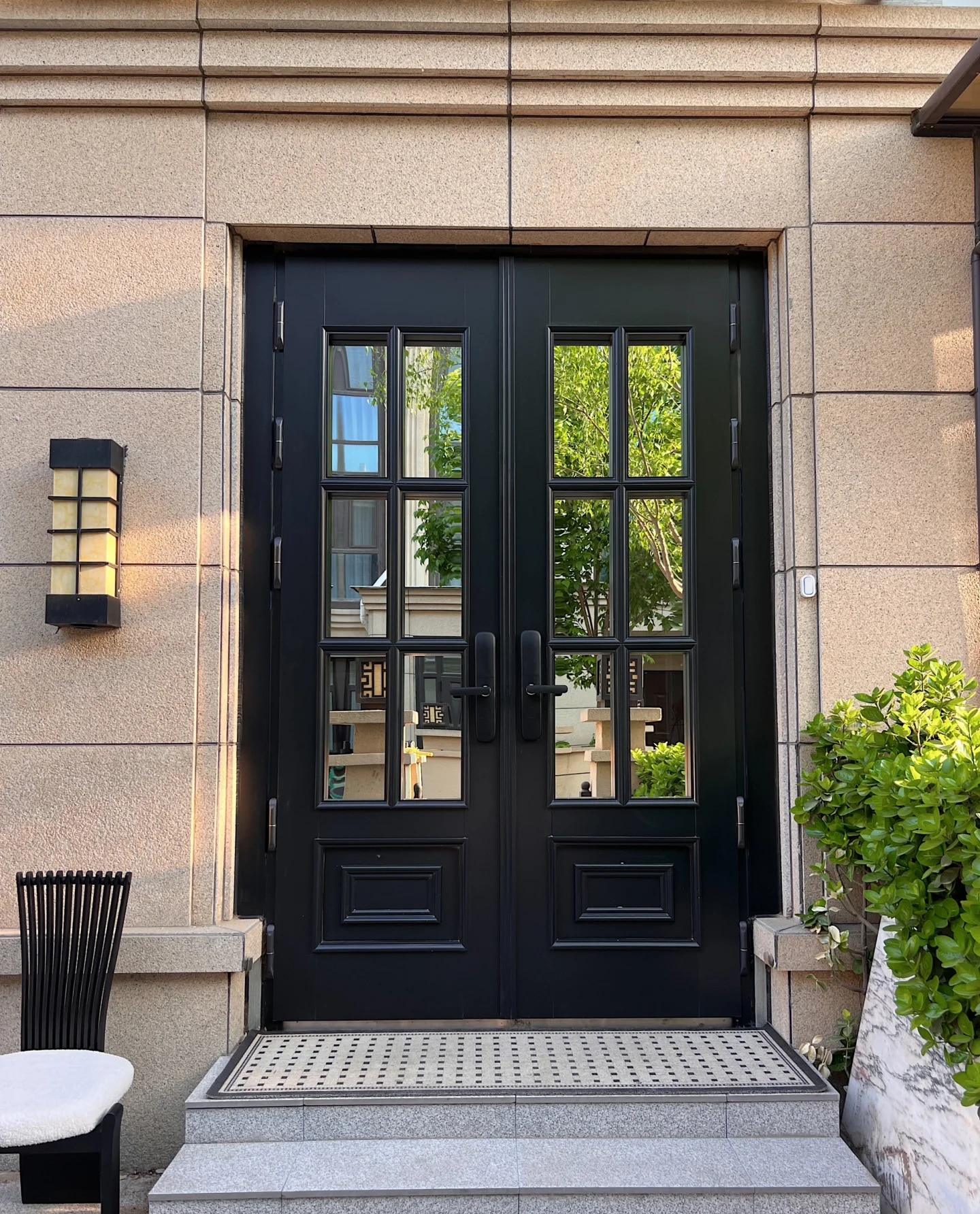
Caption: A cross-sectional diagram illustrating key components of a weather-sealed pivot system for heavy-duty doors, including pivot hinges, EPDM gaskets, mounting brackets, and threshold details.
Best Practices for Installation and Maintenance
To maximize the lifespan and performance of weather-sealed pivot systems:
- Professional Installation: Always engage certified technicians familiar with heavy-duty pivot systems. Improper installation is a common cause of failure, especially under high loads.
- Regular Inspections: Check seals for wear or compression loss every 6-12 months, and lubricate pivot points with silicone-based grease to prevent corrosion and ensure smooth operation.
- Load Monitoring: For doors near the 500kg limit, consider installing load sensors to detect any abnormal stresses or shifts over time.
Conclusion
Weather-sealed pivot systems for 500kg+ doors represent a sophisticated blend of mechanical engineering and material science. By focusing on high-quality hardware, rigorous load management, and stability enhancements, we at Kingston Doors deliver solutions that stand up to the toughest environmental challenges. Whether for grand entrances or industrial applications, these systems offer durability, aesthetics, and peace of mind. For more insights, consult our technical specifications or reach out to our engineering team.