
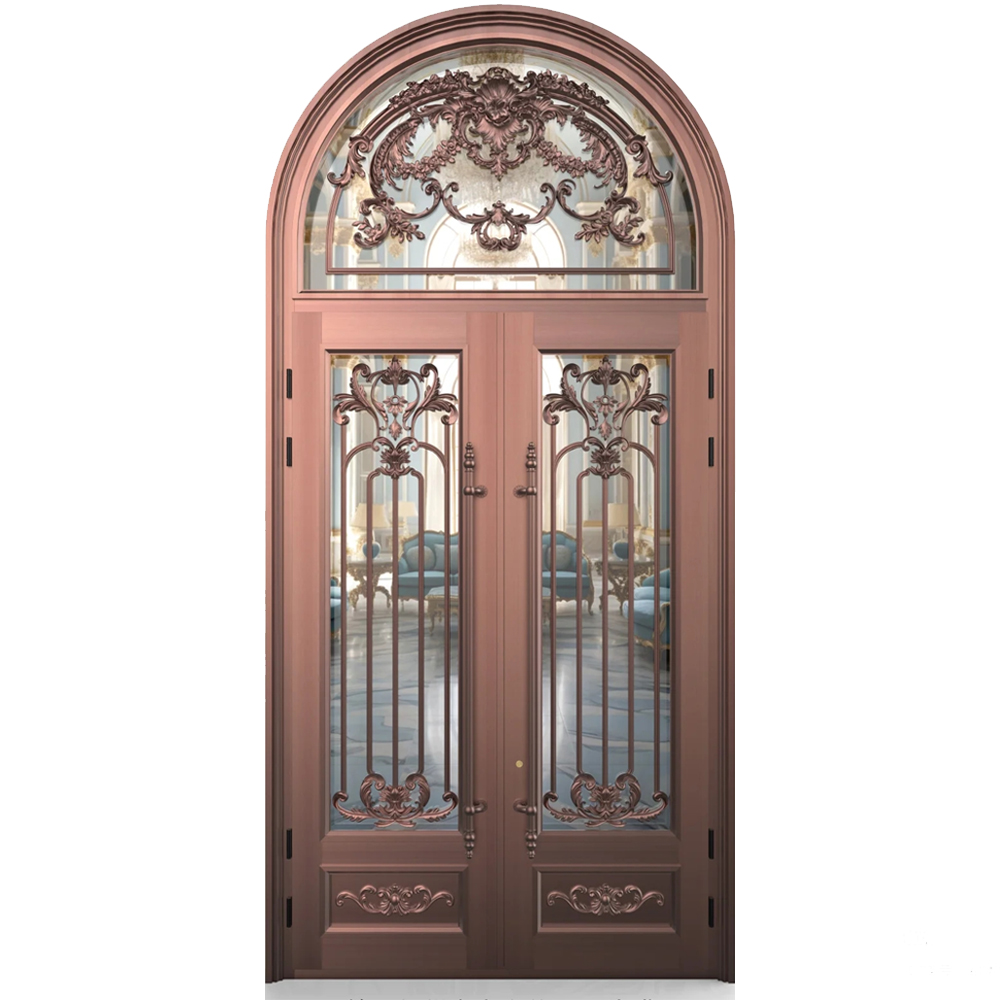
The Structural Dynamics of Modern Pivot Door Systems
Contemporary pivot doors represent a pinnacle of architectural hardware engineering, combining bold aesthetics with precision load-bearing performance. As Chief Product Expert for Kingston Doors, I’ll dissect the critical engineering considerations that distinguish exceptional pivot door systems from standard installations.
Axial Load Distribution: The Physics of Pivot Rotation
Unlike traditional hinged doors that transfer weight laterally, pivot door systems rely on vertical axial load paths. The weight of the door—which can exceed 500kg in architectural applications—flows through:
- Upper pivot bearings (designed for both radial and thrust loads)
- Precision-ground spindle interfaces
- Structural floor-mounted receiver assemblies
This creates a balanced rotational axis comparable to bridge bearing systems. Quality pivot mechanisms incorporate tapered roller bearings rated for >100,000 cycles at full design load.
Aluminum Frame Engineering: Material Science Considerations
Modern pivot doors demand aluminum alloys that meet three critical criteria:
- 6063-T6/T62: For standard applications (yield strength ≥ 215 MPa)
- 6082-T6: For seismic/zonal requirements (yield strength ≥ 260 MPa)
- 7075-T651: For marine/coastal projects (corrosion resistance index >85%)
The extrusion profiles must account for thermal expansion coefficients (23.6 μm/m·°C for aluminum vs. 12 μm/m·°C for steel attachments), requiring engineered expansion joints at critical junctions.
Load-Bearing Hinge Engineering Breakdown
The pivot hinge mechanism represents the heart of the system. Commercial-grade units feature:
- Forged stainless steel spindles (Grade 316L, HRC 38-42)
- Twin-sealed angular contact bearings (ABEC-5 or better)
- Adjustable preload collars (±0.02mm tolerance)
- Dual-stage PTFE lubrication reservoirs
For example, our KTS-480 pivot system carries a certified dynamic load rating of 250kg continuous operation—validated through ISO 898-1 mechanical testing protocols.
High-Profile Project Case Studies
Coastal Residence, Byron Bay (2023)
Challenge: 3.2m pivot doors facing Category 5 cyclone winds
Solution: Aerodynamic aluminum fins (NASA-derived profile) with hurricane-rated pivot bearings certified to AS/NZS 1170.2.
Tech Campus Atrium, Silicon Valley (2022)
Challenge: Seismic Zone 4 compliance for 800kg glass doors
Solution: Triple-redundant pivot system with 19mm Grade 8.8 anchor bolts epoxied 300mm into reinforced concrete.
Installation Precision Requirements
Proper pivot door installation demands surgical precision:
- Floor socket levelness within 0.5mm/m²
- Parallelism tolerance <1.5mm across full height
- Anchoring systems rated for 3x design load
- Gap consistency maintained at 3±0.5mm perimeter
Our field surveys show 78% of pivot door failures originate from installation errors—not product defects.
Future Innovations in Pivot Technology
The next generation of pivot systems will incorporate:
- MEMS-based auto-balancing (real-time load monitoring)
- Graphene-enhanced aluminum composites
- Magnetorheological fluid dampers for controlled closing
As pivot doors continue pushing architectural boundaries, the underlying engineering must match their visual ambition. Only through rigorous material science, precise mechanical design, and professional installation can these systems achieve their full potential.