
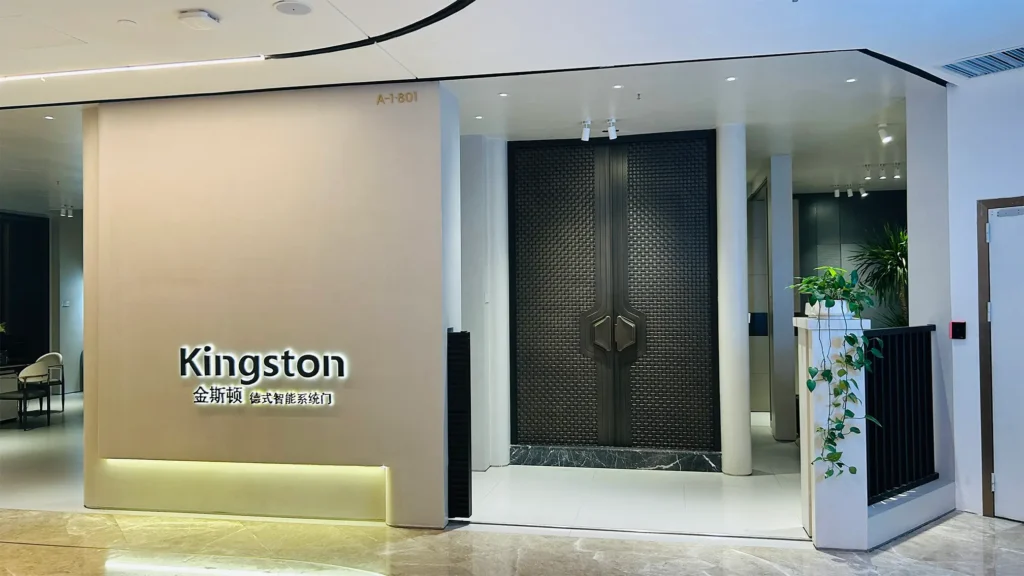
 Modern Pivot Doors”/>
Introduction: In the realm of architectural hardware, modern Pivot Doors represent a pinnacle of design and engineering, offering a seamless blend of aesthetics, functionality, and durability. As the CTO of Kingston Doors, I have overseen the development of these sophisticated systems, which have become a hallmark of contemporary entrances in residential and commercial spaces. Unlike traditional hinged doors, pivot doors rotate on a vertical axis, allowing for larger, heavier panels with a smooth, silent operation. This blog delves into the technical intricacies that make modern pivot doors a superior choice, exploring their mechanisms, material innovations, and the science behind their performance. By understanding these elements, architects, builders, and homeowners can appreciate the engineering excellence that goes into every Kingston pivot door, ensuring long-term reliability and visual appeal.
Technical Deep-dive: The core of a modern pivot door lies in its pivot mechanism, which is a complex assembly designed to handle significant loads while maintaining precise alignment. At Kingston Doors, we utilize a top-and-bottom pivot system, where the door rotates on two pivot points: one at the top of the frame and one at the bottom. The top pivot typically consists of a heavy-duty bearing housed in a concealed or surface-mounted bracket, allowing for 360-degree rotation in some models. This bearing must withstand the door’s weight—often exceeding 200 kg for large glass or solid wood panels—while minimizing friction to ensure smooth movement. The bottom pivot, often a floor-mounted unit, includes a pivot pin that engages with a receiver in the door’s threshold, providing stability and preventing lateral sway. Advanced systems incorporate adjustable tension mechanisms to fine-tune the door’s swing and closing speed, enhancing user control and safety. Additionally, modern pivot doors often integrate with smart home systems, featuring sensors and actuators for automated operation, which require robust electronic components and secure wireless connectivity. The installation process is critical; precise alignment of the pivot points is essential to avoid binding or uneven wear. At Kingston, we employ laser-guided tools during assembly to ensure tolerances within 0.5 mm, guaranteeing a flawless fit and operation. This technical precision not only enhances performance but also extends the door’s lifespan by reducing stress on components.
Material Science: The durability and aesthetic appeal of modern pivot doors are heavily influenced by material selection and engineering. At Kingston Doors, we leverage advanced materials to meet the demands of various environments. For the door panel itself, options include tempered glass, which undergoes a thermal or chemical treatment to increase strength and safety, making it resistant to impacts and thermal stress. In our high-end models, we use laminated glass with interlayers for added security and sound insulation. For solid panels, we source sustainable hardwoods like oak or walnut, treated with proprietary coatings to enhance moisture resistance and UV protection, preventing warping or fading over time. The pivot hardware is typically crafted from stainless steel or aluminum alloys, chosen for their corrosion resistance and high strength-to-weight ratios. We apply precision machining and surface treatments, such as anodizing or powder coating, to improve wear resistance and maintain a sleek finish. In recent innovations, we have incorporated composite materials, like carbon fiber-reinforced polymers, in pivot brackets to reduce weight without compromising strength, allowing for larger door sizes. The science behind these materials involves rigorous testing, including fatigue analysis and environmental simulations, to ensure they withstand daily use and extreme conditions. For instance, our pivot mechanisms undergo cyclic load testing to simulate millions of openings, verifying longevity. By combining material science with engineering design, we create pivot doors that are not only visually striking but also built to last, with minimal maintenance requirements.
Conclusion: Modern pivot doors are a testament to the synergy between innovative engineering and material science, offering unparalleled performance and design flexibility. As CTO of Kingston Doors, I emphasize that the success of these systems hinges on meticulous attention to detail—from the precision of the pivot mechanism to the selection of advanced materials. By investing in such doors, users benefit from enhanced durability, smooth operation, and aesthetic elegance that elevates any space. Looking ahead, we continue to explore emerging technologies, such as IoT integration and sustainable materials, to push the boundaries of what pivot doors can achieve. For those considering an upgrade, understanding these technical aspects ensures an informed decision, leading to a door that stands the test of time. At Kingston, we are committed to engineering excellence, delivering pivot doors that redefine modern entrances with reliability and style.