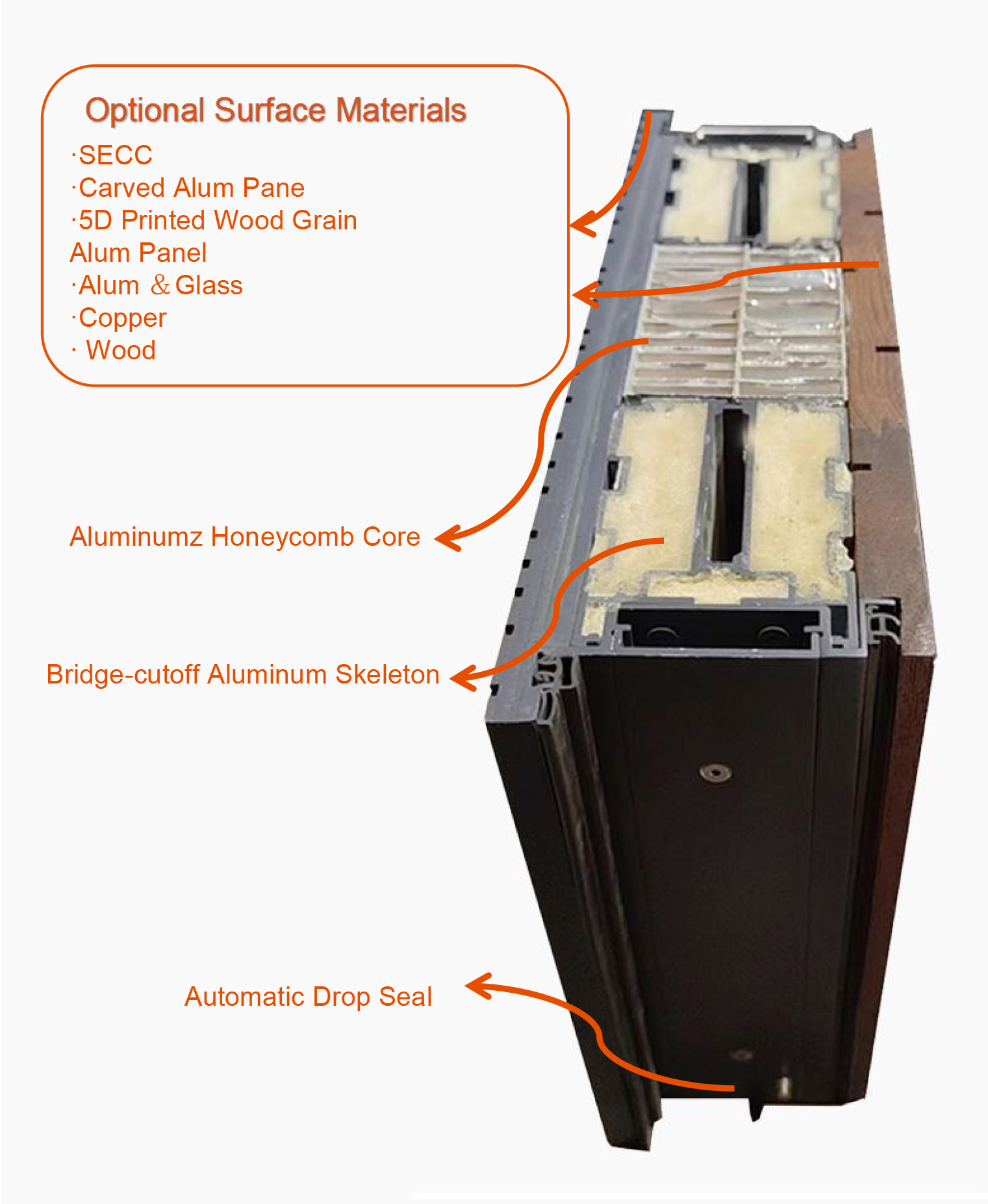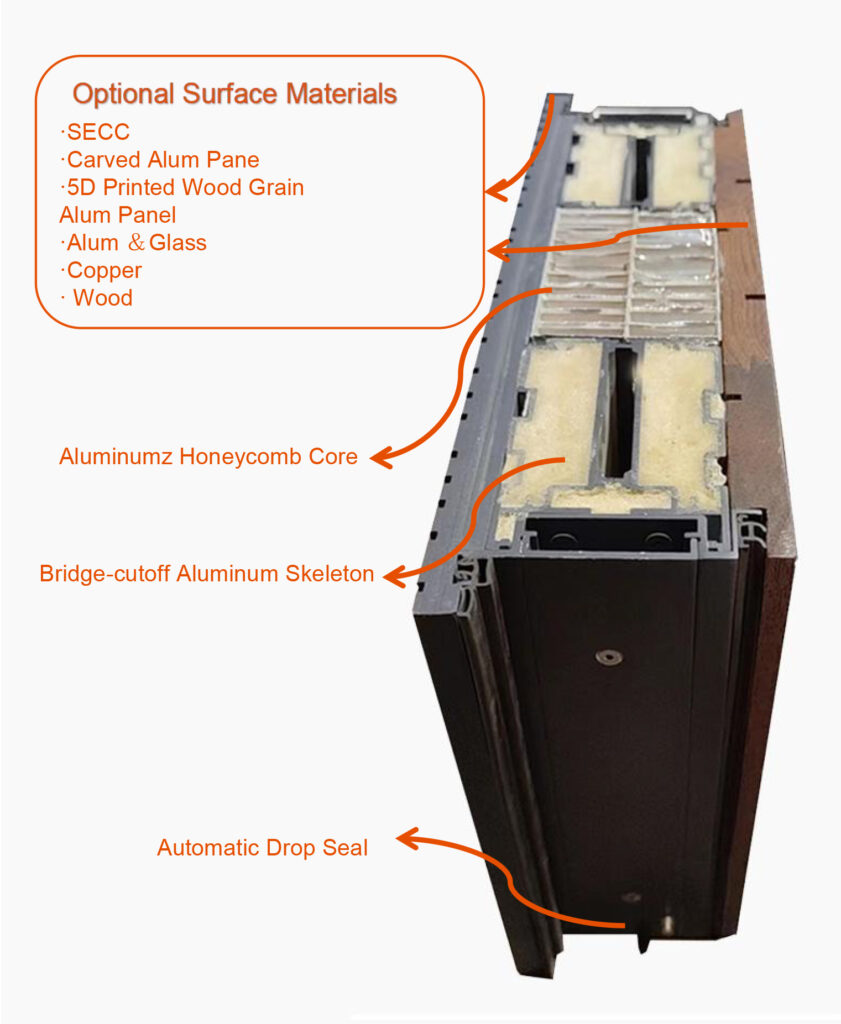
In the world of architectural design and home improvement, pivot doors have emerged as a standout feature, combining elegance, functionality, and modern aesthetics. As the CTO of Kingston Door Systems, I recognize that in today’s digital age, having a strong online presence is crucial for reaching potential customers and driving sales. This comprehensive SEO guide is tailored specifically for businesses in the door industry, including manufacturers, suppliers, and installers, to optimize their content for pivot doors and enhance their search engine rankings. By implementing these strategies, you can attract more qualified leads, establish authority in the niche, and ultimately grow your business.
**Understanding Pivot Doors and Their Market Appeal**
Before diving into SEO tactics, it’s essential to grasp what pivot doors are and why they matter. Pivot doors are large, heavy doors that rotate on a vertical axis, typically using a pivot hinge system located at the top and bottom of the door frame. Unlike traditional hinged doors, which swing on side hinges, pivot doors offer a sleek, minimalist look and can handle substantial weight, making them ideal for grand entrances, commercial spaces, and luxury homes. Their popularity has surged due to trends in contemporary architecture, where clean lines and spacious designs are prioritized.
From an SEO perspective, this niche presents unique opportunities. Keywords related to pivot doors often have lower competition compared to broader terms like ‘doors’ or ‘entry doors,’ allowing businesses to target specific audiences more effectively. By focusing on this specialized segment, you can capture the attention of architects, builders, and homeowners seeking high-end solutions, leading to higher conversion rates and customer loyalty.
**Keyword Research: The Foundation of SEO Success**
Effective SEO starts with thorough keyword research. For pivot doors, this involves identifying terms that potential customers use when searching online. Begin by brainstorming core keywords such as ‘pivot doors,’ ‘pivot door systems,’ and ‘pivot door installation.’ Use tools like Google Keyword Planner, Ahrefs, or SEMrush to expand your list with long-tail keywords, which are more specific and often have higher intent. Examples include ‘custom pivot doors for modern homes,’ ‘commercial pivot door suppliers,’ ‘pivot door hardware,’ and ‘pivot door cost.’
Consider local SEO if your business serves specific regions. Keywords like ‘pivot doors in [city name]’ or ‘pivot door installers near me’ can drive local traffic. Additionally, analyze competitor websites to see which keywords they rank for and identify gaps you can exploit. Aim for a mix of high-volume keywords and low-competition terms to balance visibility and feasibility. Incorporate these keywords naturally into your content, including titles, headings, meta descriptions, and body text, to signal relevance to search engines.
**On-Page SEO: Optimizing Your Website Content**
On-page SEO involves optimizing individual web pages to rank higher and earn more relevant traffic. For pivot doors, create dedicated pages that showcase your products, services, and expertise. Start with a compelling title tag that includes primary keywords, such as ‘Premium Pivot Doors | Kingston Door Systems.’ Ensure each page has a unique meta description that summarizes the content and encourages clicks from search results.
Structure your content with clear headings (H1, H2, H3) that incorporate keywords. For example, an H1 might be ‘Why Choose Pivot Doors for Your Home,’ while H2s could cover subtopics like ‘Benefits of Pivot Doors’ or ‘Installation Process.’ Use high-quality images and videos of pivot doors in various settings, optimizing them with descriptive file names and alt text that include keywords (e.g., ‘custom-wood-pivot-door.jpg’ with alt text ‘custom wood pivot door for luxury entryway’).
Write informative, engaging content that addresses common questions and pain points. For instance, create blog posts or articles on topics like ‘How Pivot Doors Enhance Energy Efficiency’ or ‘The History and Evolution of Pivot Door Design.’ Include internal links to other relevant pages on your site, such as product pages or contact forms, to improve navigation and keep users engaged. Ensure your website is mobile-friendly and loads quickly, as these factors impact SEO rankings and user experience.
**Off-Page SEO: Building Authority and Backlinks**
Off-page SEO focuses on activities outside your website that influence your rankings, primarily through backlinks from reputable sites. For the pivot door niche, building authority is key. Start by creating shareable content, such as in-depth guides, case studies, or infographics about pivot doors, and promote them on social media platforms like LinkedIn, Instagram, and Pinterest, where visual content thrives.
Reach out to industry influencers, architects, and design bloggers to feature your products or collaborate on content. Guest posting on relevant websites can earn valuable backlinks and drive referral traffic. For example, write an article for a home design magazine on ‘Trends in Pivot Door Materials’ and include a link back to your site. Participate in online forums and communities related to construction or interior design, offering expert advice and subtly promoting your services.
Local businesses should claim and optimize their Google My Business listing, encouraging satisfied customers to leave positive reviews. This boosts local SEO and builds trust with potential clients. Monitor your backlink profile using tools like Moz or Ahrefs to ensure quality and disavow any spammy links that could harm your rankings.
**Technical SEO: Ensuring a Solid Website Foundation**
Technical SEO involves optimizing the backend of your website for search engines. For pivot door businesses, this is crucial to handle the visual and informational demands of the niche. Implement a secure HTTPS protocol to protect user data and improve rankings. Use a clean URL structure that includes keywords, such as ‘kingstondoorsystems.com/pivot-doors/benefits.’
Create an XML sitemap and submit it to Google Search Console to help search engines crawl and index your pages efficiently. Optimize for site speed by compressing images, leveraging browser caching, and using a reliable hosting service. Since pivot doors are often showcased with high-resolution images, ensure they are optimized without sacrificing quality.
Implement structured data (schema markup) to enhance search results with rich snippets. For example, use product schema for pivot door listings to display prices, ratings, and availability directly in search results. This can increase click-through rates and provide a better user experience. Regularly audit your site for broken links, duplicate content, and other technical issues that could impact SEO performance.
**Content Marketing and Engagement**
Content is king in SEO, and for pivot doors, it’s an opportunity to educate and inspire your audience. Develop a content calendar that includes a mix of formats: blog posts, videos, customer testimonials, and project galleries. Share success stories of pivot door installations, highlighting before-and-after transformations to showcase your expertise.
Engage with your audience by responding to comments on your blog and social media, and encourage user-generated content, such as photos of installed pivot doors from happy customers. Use email marketing to nurture leads with newsletters featuring tips on door maintenance or new product launches. By providing consistent, valuable content, you can build a loyal community and improve your SEO through increased engagement and shares.
**Measuring and Adapting Your SEO Strategy**
SEO is an ongoing process that requires monitoring and adjustment. Use analytics tools like Google Analytics and Google Search Console to track key metrics such as organic traffic, keyword rankings, bounce rates, and conversion rates for pivot door-related pages. Set up goals to measure leads or sales generated from SEO efforts.
Regularly review your keyword performance and update content to reflect current trends, such as new materials or design innovations in pivot doors. Stay informed about algorithm updates from search engines and adapt your strategies accordingly. For example, if voice search becomes more prevalent, optimize for conversational queries like ‘Where can I buy pivot doors near me?’
Conduct competitor analysis periodically to see how others in the pivot door niche are performing and identify opportunities for improvement. Test different approaches, such as A/B testing headlines or call-to-action buttons, to optimize for better results. By continuously refining your SEO strategy, you can maintain a competitive edge and drive sustainable growth.
**Conclusion: Unlocking the Potential of Pivot Door SEO**
In conclusion, optimizing for pivot doors requires a holistic approach that combines keyword research, on-page and off-page SEO, technical optimization, and engaging content. As the CTO of Kingston Door Systems, I emphasize the importance of staying ahead in the digital landscape to capture the growing demand for these premium products. By implementing the strategies outlined in this guide, businesses can enhance their online visibility, attract targeted traffic, and convert leads into loyal customers.
Remember, SEO is not a one-time task but a long-term investment. Start by auditing your current website and identifying areas for improvement, then gradually incorporate these tactics. With dedication and consistency, you can establish your brand as a leader in the pivot door industry and reap the rewards of increased sales and customer satisfaction. For more insights or personalized advice, feel free to reach out to our team at Kingston Door Systems—we’re here to help you succeed in the digital world.